
 Fr Joseph Esper
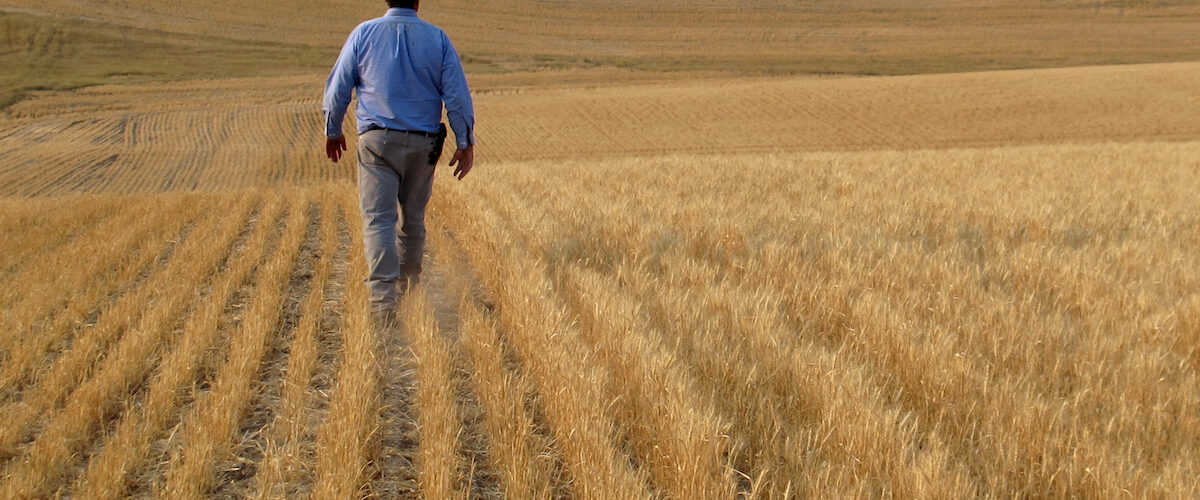
I grew up on a farm, and one of the things I noticed from time to time was the effect a grass fire had on the surface of the ground. Occasionally there might be a fire to clear a certain patch of land or a section of the ditch along the road, or sometimes a fire might get started accidentally (and I’ll admit that one time I was responsible for that happening). In every case, the eventual result was a new patch of beautiful green grass. The heat and smoke of the fire itself weren’t pleasant, and the ugly black strip it left on the ground wasn’t at all appealing, but this was soon replaced by a lovely shade of green, and the area ended up looking nicer than before. I took several agriculture classes in high school, and once I asked the instructor why this was. I don’t remember the technical answer he gave, but the idea was that the fire cleared away any rubbish or dead grass that had accumulated, and thus made possible a sudden burst of new growth.
This was the image Jesus was talking about in the Gospel of Luke (12:49-53).
I have come to light a fire on the earth.
Palestinian farmers used this simple but effective method to clear the earth of stubble and prepare the fields for the planting of a new crop. Jesus, however, was using this common image from farming in a symbolic sense; He was referring to the divisions, controversies, and painful choices a life of faith might cause. Faith isn’t just a source of spiritual security and nourishment; it also demands sacrifices. Our Lord not only calls or invites us to follow Him; He challenges us to do so. True Christian faith means placing Christ first, in spite of all opposition.
There is a price for believing—a price that’s often difficult or painful. The prophet Jeremiah (38:4-6, 8-10) had all along been warning the people of Jerusalem of the critical need for them to repent of their sins, but they ignored him. Jeremiah then warned that God was about to allow the Babylonians to capture the holy city as a punishment for her sins—and this message led to his imprisonment. His enemies claimed he was a traitor and a defeatist, but he wasn’t—he was only proclaiming the words he had been given by God. Jeremiah didn’t enjoy being a messenger of gloom and doom, and he would gladly have given up this role, but it was God’s will that he announce this message—and the prophet obeyed. He suffered greatly because of his obedience, but in the end God rescued him.
The Letter to the Hebrews (12:1-4) tells us that we’re all in a race or struggle against sin; life must be a constant effort to do God’s will and grow in His grace. The reading reminds us that Jesus endured the opposition of sinners, but persevered; we’re called to follow this example. Some of Our Lord’s followers might have thought following Him would lead to perfect spiritual security and peace, but as the Gospel shows, this was not the case. Jesus faced great opposition—not just from His sworn enemies, but also from the religious leaders who should have recognized Him, and from many of the common people who really needed what He had to offer. There were also some who had followed Jesus at first, but later turned away from Him; even some of His own relatives thought He was insane or unbalanced, and refused to take Him seriously.
We’re told that if this was true for Jesus, it may also be true for us; we’re also reminded that, just as God has saved His people in the past, He’ll continue to help us in every difficulty as long as we continue to trust in Him. We have to be realistic, though, about the challenges or opposition that may arise when we try to live as Christians. Not everyone shares or appreciates our values. It’s proper to make the Sign of the Cross and say grace before eating a meal in a restaurant—but some people might snicker at this or stare at us disapprovingly. Our young people might try to live out their faith by avoiding drugs and liquor and by remaining sexually pure; instead of being respected for this, however, there’s a real chance they’ll experience mockery or criticism by their peers. We might try to be honest in our dealings with others: not cheating on our taxes, returning a lost wallet we’ve found, pointing out a mistake in our favor to the cashier at the grocery store, and so on. There’s a large segment of society which would consider us foolish for practicing Christian honesty. If we live by the moral teachings of the Church and the founding ideals of our country, instead of being praised for our morality and patriotism, we’re just as likely to be condemned for being politically incorrect and divisive. It would be easier to go along with the majority and not make waves—but that could very well be a betrayal of our faith. Doing the right thing in all these instances certainly isn’t as dangerous or dramatic as facing persecution, imprisonment, torture, or even death—and this is the situation Christians face in many parts of the world. Nevertheless, our little efforts to be faithful to Christ are important.
As Christians, we’ll have to make certain sacrifices. We won’t always be up-to-date with the latest fads, we’ll be considered foolish by some people, we’ll have to stand up for what we believe even when it’s not easy, and quite possibly, we’ll risk alienating family members or friends if we place Christ ahead of them. Even so, this is what Jesus challenges us to do—and He promises that, in the long run, our sacrifices will be more than amply rewarded. Let’s look at our lives to see if we’re truly witnessing to our faith, let’s ask for God’s grace so that we’ll be able to know and do what’s right, and in particular, let’s pray for those Christians throughout the world who are in chains because of their love for Jesus. Our Lord came to light a fire on the earth. May each of us do our part in helping it spread.

 Thomas Addis
 Carolyn Humphreys, O.C.D.S.
 Michael Baglino
 Fr Dino Vanin