

 Carolyn Humphreys, O.C.D.S.
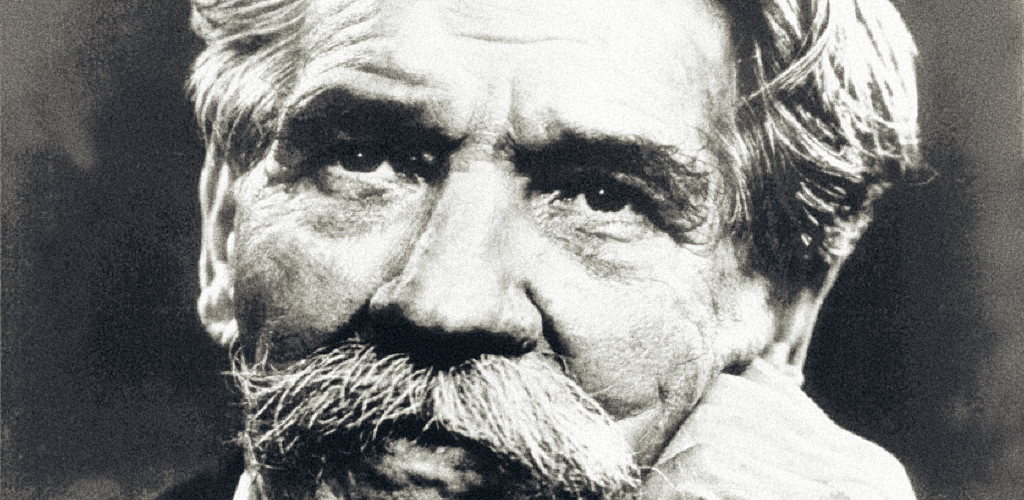
“Back in Chicago, in 1933, city officials and reporters waited for the arrival of that year’s Nobel Peace Prize winner. When he stepped off the train, they were impressed by this 6’4” man with bushy hair and a large mustache. As you can imagine, there was much fanfare and flashing of bulbs as they welcomed him. But after he arrived, he thanked them and then asked to be excused for a few minutes. He walked quickly to the side of an elderly woman struggling with two big suitcases. Smiling at the woman, he picked up her luggage and walked her to her bus. There, he helped her aboard and wished her a safe trip. Then he returned to the officials and others following him and apologized for keeping them waiting. This man was Albert Schweitzer, the famous doctor and missionary, who for many years, worked with the poorest of the poor in Africa. One of the reporters turned to one of the city officials and said, ‘That’s the first time I ever saw a sermon walking.’” (Rev. George Rink)
Christian goodness is the result of our increasing awareness of being loved by God, and living that love. Edith Stein wrote, “God is love, and love is goodness giving itself away. It is a fullness of being that does not want to remain enclosed in itself, but rather to share itself with others, to give itself to them and to make them happy.” This quote inspires us to live as faithful Christians who are captivated by Christ through the thick and thin passages in our lives. The power of God’s goodness helps us to carry the burdens of trials, disappointments, sorrows, and other disagreeable occurrences. Through ordinary times, we are grateful to God the gift of freedom and know our best choices are based on willing good for others and doing good for the betterment of humanity.
Willing good for others develops from God’s love for us and our love for God. Being seekers and finders of good bonds us with the benevolence of the Sacred Heart of Jesus. How do we sustain our own Christian goodness? With the aid of grace, we fly from unloving thoughts, and with additional grace we ponder how wondrous God’s love is for us right now. Today it is a challenge to see the goodness of God in ourselves and in others. People can be good and do good as a humanitarian, or with a charitable cause, outside of the Christian arena. In our complex society our witness that God’s goodness is alive and well today is to strive to be good, and do good for others, as stewards of the goodness of God the Father and with the wisdom of Jesus his Son.
Since not all signs of goodness are from God, we need wisdom to discern where goodness is coming from. We must keep our eyes open, and our hearts steadfast. As a witness, we are on the alert for wolves in sheep’s clothing that denigrate, or falsify, the term good. Is good distorted or used as a force for evil? Does a person, group or place hide malicious intent under the guise of good? Is good used to propagate greed, unlawful profit, or false advertising? If people are doing something wrong, were they encouraged to see it as good? Does good support the destruction of human life? As we discern what is true good we develop our ability to listen to God better and intensify our trust in him.
Goodness Within
As we listen to God, we learn that before we can be a channel for God’s goodness to others, we must draw God’s goodness out from within ourselves. How do we keep the goodness of God flourishing within us? We ask God for the grace of goodness and learn to care for ourselves with respect and dignity. To dilute negative thinking we limit curiosity about sensational items, gossip, spin, and drama. We avoid grim thoughts about the views, attitudes or faults of others. We neither overstate nor understate problems and mind our own business. We do not ruminate about ugly things that happened years ago. Clear boundaries are set regarding what we can and cannot do. We value consistency over intensity. We trust God will use us to draw others to him in ways we never expected. When we look at a crucifix, we realize how great good is drawn from intense evil and center ourselves on Christ. This motivates us to find good in bad situations and people and keeps us looking up in hope and moving forward in faith.
Jacques Maritain said,
The least act of true goodness, is indeed the best proof of the existence of God.
In the book of Genesis we read that all things God made were good. However, he left it up to us to maintain that goodness. To promote God’s goodness in society is a serious challenge. He gave us free will to sustain goodness to those around us. If we desire to be good because goodness gives witness to God, the highest good, then goodness is the motivator for our conduct, choices, and interaction with others.
Goodness can bring people together to solve an unexpected problem.
Once upon a time, a little girl was lost in a large wheat field. The wheat was taller than she was. Her parents called in the neighbors to help find her, but all was in vain. Although they shouted and searched, they could not find the little girl. Finally, on the third day, the father said to the townspeople, “Let us all join hands and go through the field in a line.” In no time, the child was found. Behind the plan was a common purpose. The child had to be found. The father gathered all the people who were willing to help. No one said, “I must tend to my crops,” or “I have too many things to do.” The neighbors immediately stopped whatever they were doing in order to pursue a greater good. They dropped their own ideas about how to find the little girl. They joined together and through a unified effort, found the lost child.
Sometimes we must let go of what we think is best and pull together to find a good solution to a difficult problem. Serious problems demand that we anchor our feet firmly on the ground and from that stance we see how we are interdependent on each other, how goodness of others can come from of a horrifying situation, and how solving that situation can be the cause for great joy.
Radar
God remains at the center of our radar screen when we do good work in his name. However, a certain factor of being human can obscure him by fog or eliminate him entirely from our screen. If it is problematic, self centeredness can block God out. Do we do good things solely to gain personal praise, attention, or be admired? Is ’I’, ’me’ or ’my’ common words in our conversations? Do we boast about the good things we do? If self centeredness is significant, we need to take a close look at whom we are serving. If we find ourselves sliding into self centeredness, we remember Christian goodness is neither talked about nor about us. It is about Jesus. Underlying good deeds are Jesus words: “When you do good things for others you do them to me.” God trusts us to do good things. If we do things for the glory of God the outcome or results at the end of a task are not as important as the right intentions and our growth as Christians through the task process. A God-centered approach is to do good things and disappear, leaving whatever has been done to echo God’s goodness. John of the Cross reminds us, “God is more pleased by one work, however small, done secretly, without desire that it be known, than a thousand done with desire that men know of them.”
John Greenleaf Whittier gives us these words to keep God with us:
So to the calmly gathered thought the innermost of truth is taught, the mystery dimly understood, that love of God is love of good. That the dear Christ dwells not afar, the king of some remoter star, listening, at times, with flattered ear to homage wrung, from selfish fear. But here, amidst the poor and blind, the bound and suffering of our kind, in works we do, in prayers we pray, life of our life, he lives today.


 Deacon Steve Greco
 Fr Joseph Esper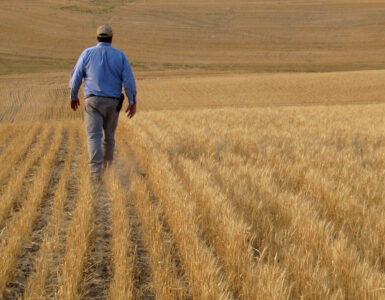

 Thomas Addis
 William Borst