
 Fr Dino Vanin
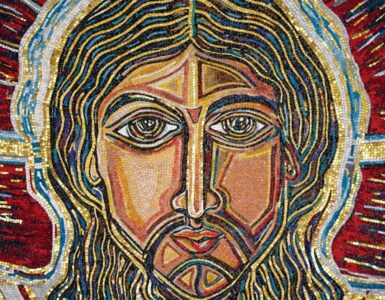
Humanly speaking, regardless of the image Jesus wanted to project in carrying out the mission the Father had assigned him, we should wonder what must have been his visceral reaction when his closest disciples told him that his words and conduct reminded people of John the Baptist, Elijah, Jeremiah or one of the other prophets. Undoubtedly, the pictures crossing his mind must have been gut-wrenching; one of sheer, prolonged, repeated suffering—and blood.
Some, including the tetrarch Herod, were saying that he was projecting the image of John the Baptist. John had led a life of self-discipline, austerity, always uncompromisingly, boldly defending God’s sovereignty and his laws to the point of losing his life. Confronted by his bold teachings, others were reminded of the prophet Elijah. In his time, Elijah was the lone prophet left to battle scores of false prophets of Baal. He suffered a lot, felt depressed, despondent, yet remaining obedient to God no matter what. Still others saw him as a new Jeremiah, the prophet who suffered the most and who was betrayed by his friends and misunderstood by most people. Or he could have been simply one of the prophets: every single one of them died a violent death at the hands of the Jews.
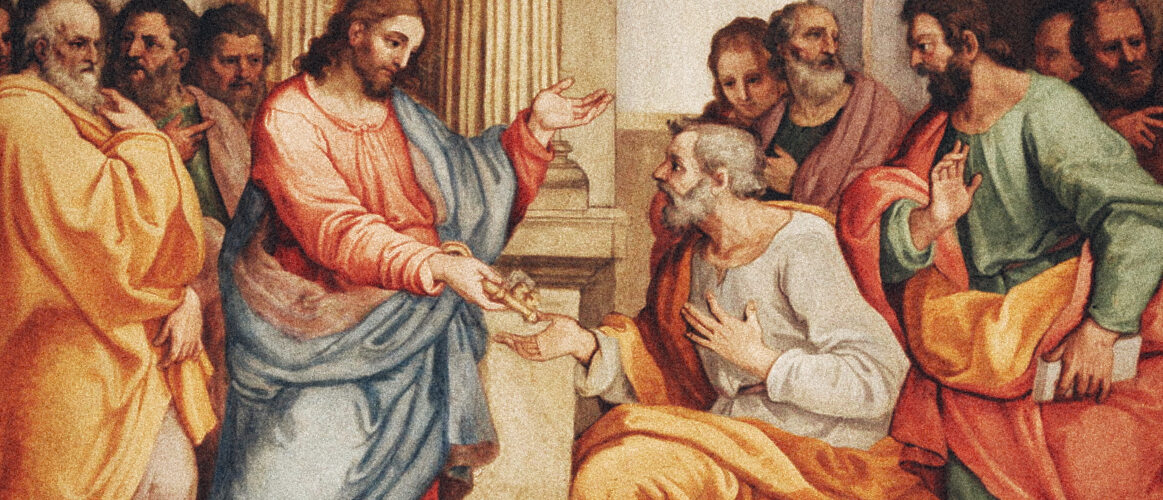
At this time Jesus must have felt startled by the shape events were taking and must have wondered if the Father was leading him to a similar fate. But when Peter proclaimed him as the Christ, the Son of the living God, Jesus had no doubt. The Father wanted him to initiate the Kingdom, to preach the truth of the Kingdom at the cost of his ultimate personal sacrifice. Just a quick look at Peter in all his fears and trepidation, convinced Jesus that flesh and blood had not revealed to the head of his poor and fragile group of followers the mystery of the Kingdom he was sent to establish through the cross.
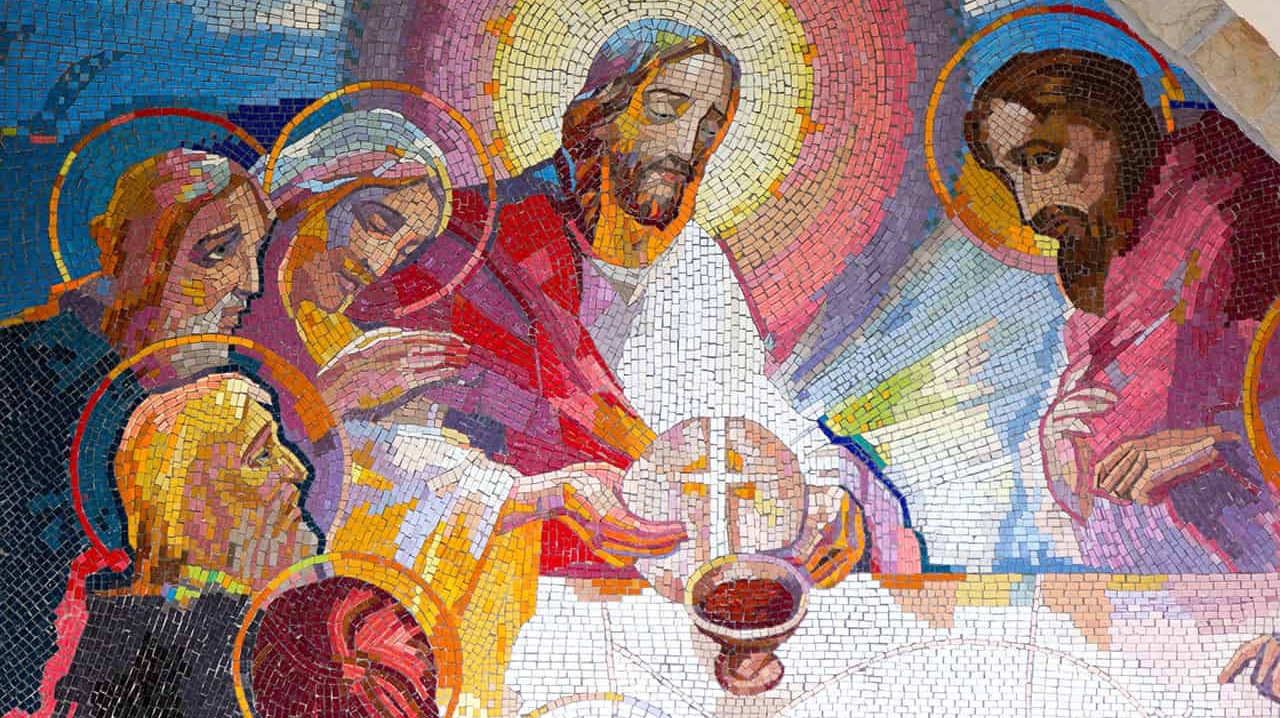
If we keep reading past the gospel passage for this 21st Sunday in Ordinary Time, we find out that Peter, the rock foundtion of the Church, of all of us, was not ready to see Jesus share the fate of the prophets; he was not ready to see him suffer and die. And even less was he ready to share in his destiny. Jesus had to show him that the Christ, the Son of the living God, was sent not to be served, but to serve and to give his life in ransom for the many. He had to wash him clean during the last supper. He had to feed his body and blood to Peter. He had to rise from the dead before Peter and the other disciples could accept their cross, that which had become their destiny before their glorification. He had to send his Holy Spirit upon him and all the others to endow them with supernatural assistance.
This realization allows us to understand why Jesus has waited this long to ask us: “And you, who do you say that I am?” Because now we finally realize that his invitation to take up our cross is not for physical fitness like weightlifting to stay trim; it is because if he is the Christ, the Son of the living God, we Christians, are the adopted children of the living God.
His destiny is our destiny; his cross and ours are not decorations but instruments of pain and death.
Our realization of being frail children of the living God is the reason why he waited this long to ask us the most fundamental question there is to define our relationship with him. We had first to be enlightened by his Spirit, strengthened by his Word, nourished by his Body and Blood, reassured by his presence in our midst before we could embrace the inevitable share of trials and tribulations of life; before we could let him place a cross on our shoulders.
Today, at long last, we can look past our pain and tears and anguish, past all that is unpleasant, hard and painful; we can see all of us sharing already, though in a veiled way, the glory and the crown of victory that awaits us in his Kingdom. Today, we have come to believe that the gates of the netherworld shall not prevail against us. All this because 2000 years ago, Christ Jesus accepted his cross with boundless confidence in the Father’s love. And this Eucharist is, therefore, our most fitting, most acceptable way of giving him thanks and praise.

 Fr Joseph Esper
 Anonymous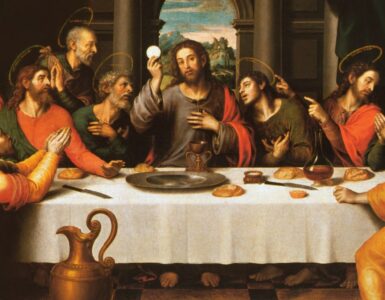
 Michael Vacca