
 Deacon Kurt Godfryd
Yesterday, the Archdiocese of Boston announced that it would be consolidating parishes so that it might adjust to a “new” norm of faith participation. In a CNA article, a spokesman noted the necessity of the move in light of the present reality where just 20% of Catholics attend Mass, a far cry from the 70% participation rate during the 1950s, when the majority of to-be-closed parishes were built.
As a permanent deacon, I find myself continually stumbling upon “former” Catholics in the workplace and at baptisms, weddings, and funeral homes. While in their midst, I continue to be piqued with curiosity when many of them boldly describe themselves as “practicing” Catholics while feeling no need to participate in the sacramental life of the Church. In my conversations with them, they tell me that they are “spiritual” and “believe in God” but for various reasons, have replaced the public proclamation of their faith with other activities to include: children’s soccer games, jogging, household chores, and sleeping longer on Sunday mornings. Regarding the latter, I gather it is their due “reward” for hard work expended through the week. Others tell me that the priest sex abuse crisis “destroyed their faith.” While not denying this horrible reality, I often point out that in the midst of such tragedies, God has raised up saints and other holy men and women.
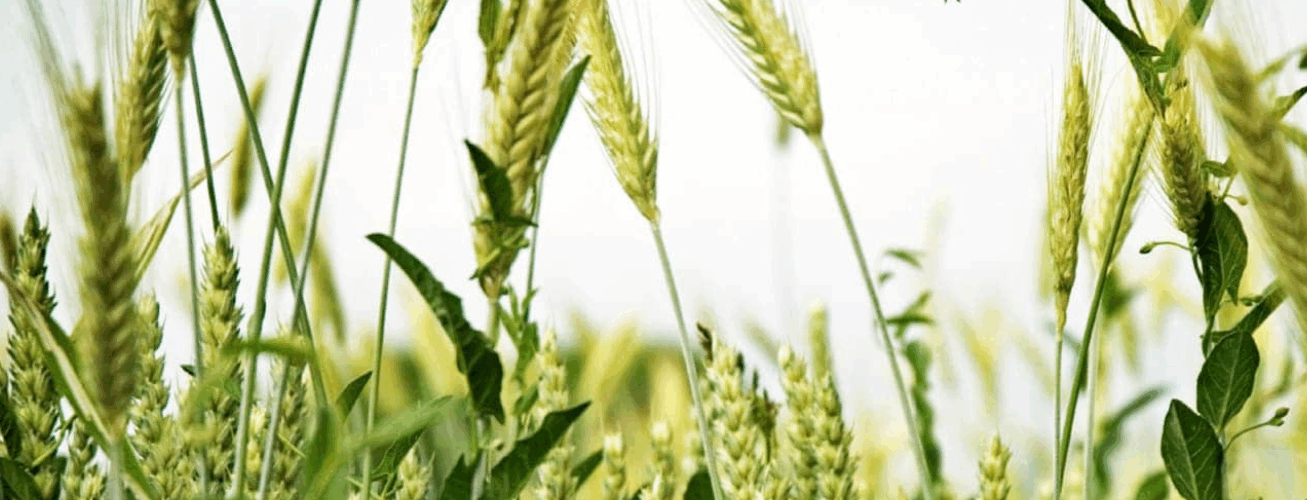
Jesus, I believe, refers to this dual reality (of the co-existence of good and evil) within the Parable of the Weeds (Mt 13:24-30).
"The kingdom of heaven may be compared to a man who sowed good seed in his field; but while men were sleeping, his enemy came and sowed weeds among the wheat, and went away. So when the plants came up and bore grain, then the weeds appeared also. And the servants of the householder came and said to him, 'Sir, did you not sow good seed in your field? How then has it weeds?' He said to them, 'An enemy has done this.' The servants said to him, 'Then do you want us to go and gather them?' But he said, 'No; lest in gathering the weeds you root up the wheat along with them. Let both grow together until the harvest; and at harvest time I will tell the reapers, Gather the weeds first and bind them in bundles to be burned, but gather the wheat into my barn.'"
While reflecting on this parable, it is worthwhile to remember the failings of prominent religious figures throughout Salvation history and how God worked through their faults-and-sinfulness and invited them to play pivotal roles in ushering forth His divine plan for humanity..
- When Abraham should have stayed in the land and trusted the Lord, he fled to Egypt because of the drought. And this was by no means the last of Abraham’s failures.
- Moses, in trying to help his people, ran ahead of the Lord and killed the Egyptian. Later, against the command of God, he struck the rock in his anger.
- When David should have been out in the field of battle, he stayed home and committed adultery with Bathsheba and then plotted the murder of her husband.
- Peter, in spite of his self-confidence and his great boast, denied the Lord, as did the rest of the disciples who fled before our Lord’s arrest was over.
Despite their shortcomings, Abraham, Moses, David, and Peter changed, remained faithful, showed up, and allowed God’s Spirit to transform them into something greater than their former selves.
In our day, the same applies to you and me. By showing up, we help to build up the bruised Body of Christ that cries out in these dark, cultural times. By showing up, our presence is truly a gift to a community of believers badly in need of unity, participation, and action. By showing up, we gain eternally as well. Through the reception of the supreme gift, Jesus Christ in the Holy Eucharist, we receive the same Jesus who has promised to guide us.
If only we extend to Him our hands and hearts.

 Carolyn Humphreys, O.C.D.S.
 Fr Joseph Esper