
 William Borst
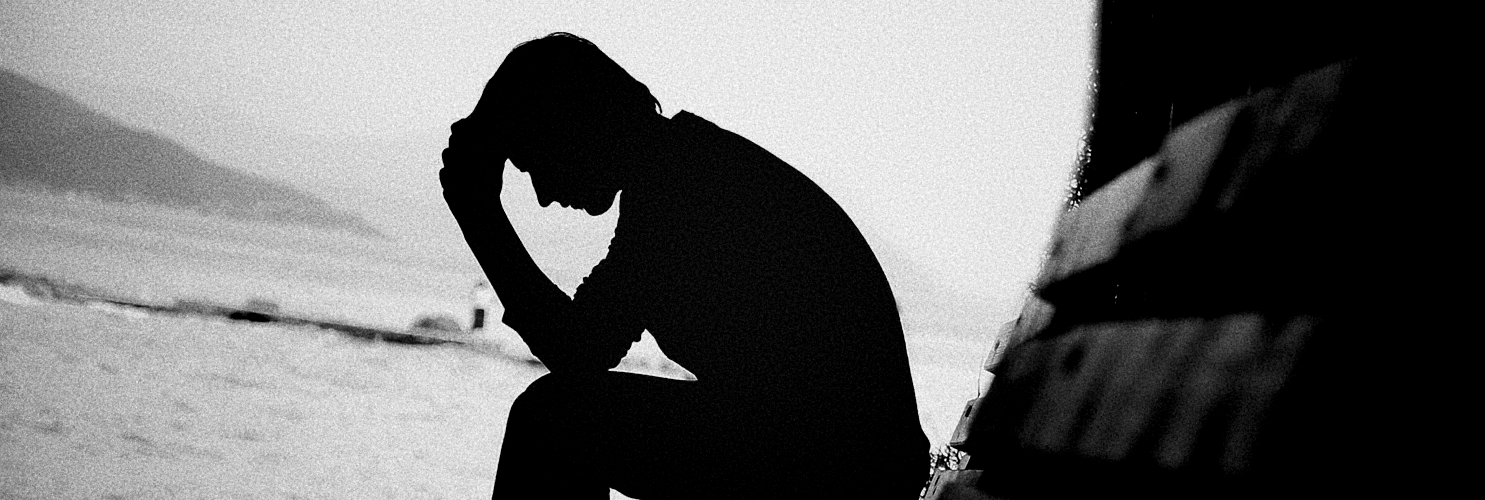
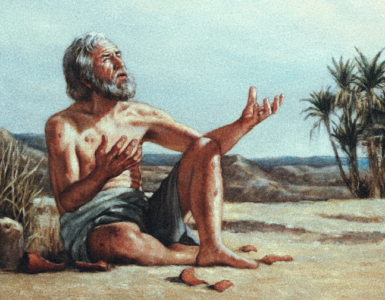
Pain has been seen as a religious matter since the Middle Ages. In Christianity, there is the story of Job, a biblical figure who endured tremendous suffering yet remained faithful to God. His story was an introduction to the suffering Jesus Christ, the Son of God who would endure for sins with his death and Resurrection 2000 years ago.
Jesus’ death and suffering is a central tenet of the Christian theology, representing the fulfillment of the Old Testament prophesies and the means by which humanity is reconciled to God. His redemptive act underscored the gravity of sin and serves as a profound demonstration of God’s love for us. As written in John 3:16 declares, For God so loved the world that He gave His one and only Son, that everyone who believes in Him but have eternal life.
Jesus’ endurance of His suffering serves as an example for all Christians. 1 Peter 2:21 states for this you were called, because Christ also suffered for you, leaving an example that you should follow in His footsteps. Pain is the Cross most of us have to carry in this life. I especially like the advice of King St. Louis: If the Lord has permitted you to have some trial, bear it willingly and with gratitude, considering that it happened for your good and perhaps you well deserved it.
I read a comprehensive essay in The Philosophy Nest, which stated suffering is where the human and divine meet. Pain is understood through the eyes of science. Redemption is seen through the lens of faith. One cannot understand the one without the other. Consequently, pain and suffering can inexorably drive us toward the Redemptive Jesus Christ.
In truth, the terms, Pain & Suffering, while used interchangeably, are not the same. Pain does not necessarily cause suffering. Athletes and new mothers suffer terrible pain but that usually dissipates quickly while suffering is measured in much longer periods of time, often due to chronic physical and mental illnesses.
Pain and suffering should always be regarded as an intrinsic part of human life, which can be an opportunity for personal growth and character development. For Christianity they can serve as a harsh mentor, a great test of faith, and a way to draw closer to God. It can also foster resilience. Think of God as a sculptor chiseling away on a block of granite. Each of his strokes might cause pain but, in the end, it is far worth it as a beautiful statue has been ‘born.’
The role of pain in medical ethics cannot be understated. Pain isn’t just a personal thing. It has a ripple effect that can influence families, communities and entire societies. Caregivers can alleviate pain but not at the expense of addicting patients to life-threatening drugs or deliberately ending the life of a patient in euthanasia. So-called Mercy Killings are still immoral and illegal in all 50 states. This is despite pro-choice advocates, trying to extend their bloody mantra to the useless eaters (the elderly and the infirmed) in our society through a death with dignity charade.*
The search for meaning in pain resonates across a broad spectrum of cultures, philosophies, and religions. I believe that suffering is the stuff of sainthood. Few have ever been canonized without having endured great suffering and even martyrdom. Even Our Lady suffered greatly during her holy life. That is why she is the Queen of Martyrs. All of the first apostles, except St. John, died a brutal death like St. Peter being crucified, upside down and St. Paul being beheaded. According to Pope St. Gregory the Great, The more the wicked abound, so much the more must we suffer with them in patience.
One thing I seldom hear in the Church is that pain has a vital role in our personal salvation. We should never waste our suffering. In grade school, at Our Lady Queen of Martyrs in Forest Hills, New York, we were taught to offer up all of our sufferings for the souls in Purgatory. I know I often forget them but I will wager most Catholics today have never heard this.
While my mother, Helen Borst, was a simple person, who took our religion seriously, in retrospect, I believe she had some of the basic traits one can find in many saints. I think a lot of that had to do with her daily suffering during the last 14 years of her life with Alzheimer’s. I think my mother would be a decent candidate for sainthood, like millions of other basically ordinary people, who treasured their belief in the Risen Christ.
While her mental acuity started slipping, sometime north of her 70th birthday, she lived until she was nearly 91 years of age. While I have little idea as to how much my mother suffered because she was really unaware of her surroundings and her gradual decline into dementia, I believe it was her purgatory for all of her life-long picadilloes. I also think God chose her for that long-term illness so some of her penance could be transferred to those who need it more, like members of her family.
While I have never suffered any great personal physical pain, I have watched many family and friends around me struggle with all kinds of suffering, especially each of my wives. My first wife had our three children and each one seriously taxed her physical and mental health. She had toxemia delivering our first in 1967 and after the third in 1976, she suffered for years from what they used to call the Post-partum Blues.
Her last illness was very short and totally unexpected, at least by me. Judy had the Last Rites before she died and two friends secured special Plenary Indulgences during the month of October in 2016, thanks to late Pope Francis and his extension of plenary indulgences during that special period of grace. So, I have no doubts that her soul is resting in the Bosom of God right now. I know grief can be a life-changer but for some unknown reason I have been spared much of that in my life.
When I married Anna nearly eight years ago, her knees had very little cartilage left from her 35 years as a restauranteur with her late husband. I watched her suffer with her first operation six years ago. Her recovery from her second knee replacement this summer has been much more painful. It has been several weeks since her operation and her knee is still very swollen. I can see the mark of pain in her eyes every morning, especially after one of her frequent physical therapy sessions. The professionals say that she has at least three more months of this suffering. But like Dilsey Gibson in James Faulkner’s poignant novel, The Sound and the Fury, ‘She endures.’ And I also believe as Khail Gibran has proclaimed: Out of suffering have emerged the strongest souls.
To date, I have been spared any real long-term chronic suffering. With the exception of my rigor mortis…a mild case they tell me…ah, I meant arthritis, I suffer nothing more than aches and pains, mostly left-overs from my failed attempts of self-destruction over the years. (See my essay, The Accidental Kamikaze, from March 21, 2017.)
With regard to pain and suffering, my personal philosophy has always been to treat them, as with accidents and tragedies, with several doses of humor, which as the Readers Digest used to say, Laughter is the Best Medicine. This is not just some artificial statement but a veritable truth. Studies from the Mayo Clinic have demonstrated that laughter is a curative, which can release healing hormones, increase oxygen, lower our blood pressure, soothe tensions and activate and cool down our stress response.
In truth, I worry more about my spiritual health and often feel guilty about my weak trust in God’s Will for me. Guilt is also a pain of earthly suffering. Coco Chanel had some deep thoughts on death and dying, when she said: Guilt is probably the most painful companion of death.
This statement captures perfectly something Bishop Fulton J. Sheen wrote in his book, Life is Worth Living. He often used his parable about how sin is comparable to banging a nail into a virgin piece of wood. One may remove the nail but not without leaving a noticeable hole. The hole is guilt which represents the residual harm of our sins and must be addressed with good works, prayers and even suffering.
My last word on this subject is that I have tried to adopt the belief of St Maximillian Kolbe, that For Christ I am prepared to suffer still more…. So, I guess as the saying goes, like love, pain is all around us.

 Fr Dino Vanin
 Fr Mario Attard OFM Cap
 Jennifer Borek
 Alexandra Bochte