 Deacon Gregory Webster
It is unfortunate that within our Catholic tradition, the term “receive the Sacraments” is frequently used to describe our participation. Yet, if we pause to reflect on the deeper implications of this vernacular, we find that it subtly invites a “just show up” mentality. This mindset risks reducing the extraordinary gift of the Sacraments to something passive, as we become mere spectators standing in line to be handed spiritual nourishment without conscious involvement.
Such an attitude misrepresents the profound reality of the Sacraments, for within the heart of the Church’s teaching lies the principle that grace, though freely offered by God, calls for an active and willing response from each of us. Preparation, then, becomes an essential key. To approach the Sacraments prepared is to acknowledge their gravity, to engage with the mystery that unfolds within them, and to recognize the transformative power they hold when received with a sincere, open, and longing heart.
Consider the oft-repeated adage: “80% of winning is just showing up.” While this maxim may contain a kernel of truth in encouraging the first act of participation, it falls far short when applied to the spiritual life, or indeed, to any realm requiring genuine growth and excellence. In truth, Michael Jordan’s success was not the result of simply being present; it was the relentless fruit of his rigorous training, discipline, and determination. His victories were proportional to the sacrifices and focused effort poured into his craft.
If we imagine a surgeon as one entrusted to operate on a loved one having “just shown up” to medical school, failing to engage with his studies, would we not be alarmed? Clearly, effort and preparation matter, not only in the secular world but, even more so, in matters of spiritual consequence. Victory in faith is not achieved by chance, nor spiritual union by random attendance. Even those who win the lottery do not “win” in the usual sense; their success is solely the outcome of random statistical chance, not deliberate mastery or skill.
In our spiritual life, preparation is the soil that allows the seeds of grace to take root and flourish. The Catechism emphasizes that the fruits of the Sacraments depend on the disposition of the recipient. This means that, while God’s grace is ever available, our readiness to receive, and our openness to be transformed, determine how that grace is manifested in our lives.
Vatican II: The Call to Active Participation
The Second Vatican Council revolutionized the Church’s understanding of our role in the liturgy, calling for “active participation.” Unfortunately, the phrase is sometimes misunderstood or reduced to the idea that one must serve as a lector, usher, sacramental minister, or otherwise have a visible role in the liturgical gathering. The Council’s intention was much richer: active participation means full engagement of our mind and heart in the mystery being celebrated.
This engagement is not limited to external actions; it calls for internal, spiritual attentiveness and responsiveness. How do we cultivate such engagement? It begins long before we walk through the doors of the church. By reading the Sunday readings ahead of time, we prepare our minds to receive God’s Word more meaningfully. We familiarize ourselves with the prayers, particularly the Collect, which sets the tone for the Mass and encapsulates the theme of that celebration. To make an effort to remember the Collect, even being able to recite it after Mass, can be a helpful spiritual exercise. It draws us back to the heart of what is being prayed for and invites us to reflect on how that prayer applies to our own journey.
As the Mass unfolds, the readings are not mere stories from history but living teachings meant to speak to us today in the concrete circumstances of our lives. The Church calls us to discern not only the narrative but the meaning: What is God saying to me at this moment? This movement from information to transformation is central to our spiritual growth.
Bringing Our Whole Selves to the Altar
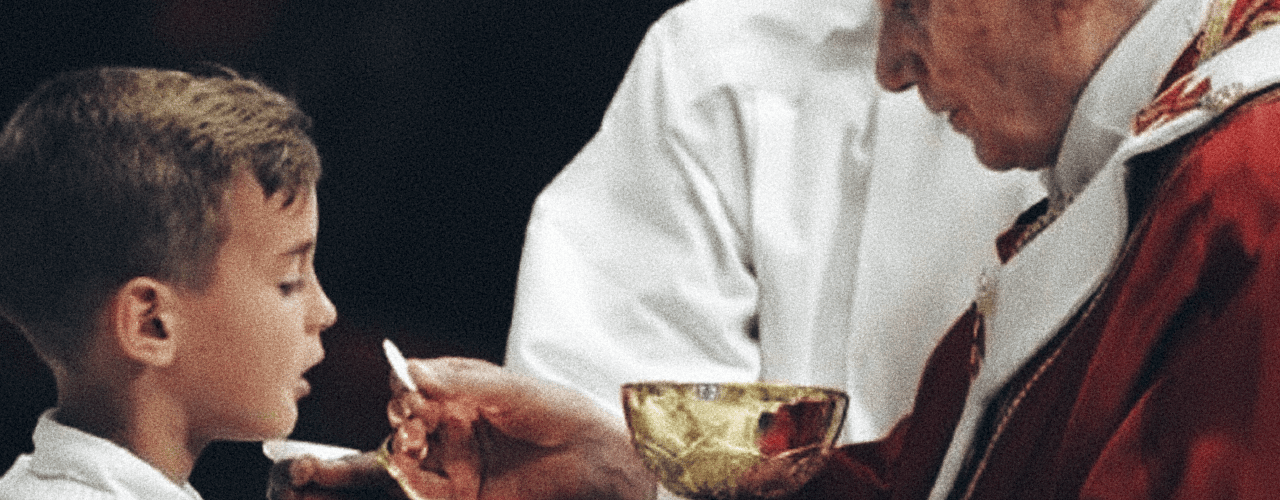
When we gather for Mass, we bring far more than our physical presence. We bring the entirety of who we are to present on the altar: our work week, our challenges, our blessings, our successes, and our failings. The Mass is both celebration and solemn reflection. In the penitential rite, we examine our conscience and openly confess our faults, not as an act of self-condemnation but as an opportunity for healing and new beginning. The presence of Christ in the Eucharist is not merely symbolic; it is real, substantial, and transformative.
In this sacred encounter, Christ gives Himself wholly to us. Are we, in turn, making ourselves wholly present to Him? Preparation means honesty—with ourselves and with God. To approach Mass in such a state allows us to ask for mercy genuinely and inspires us to be merciful in turn, echoing the words of Jesus: “Blessed are the merciful, for they shall obtain mercy.”
In bringing our struggles and imperfections, we do not risk rejection but open ourselves to the healing touch of God. It requires humility to admit our need for forgiveness and grace as well as gratitude for the unmerited love we receive.
The Field Hospital: Healing in Community
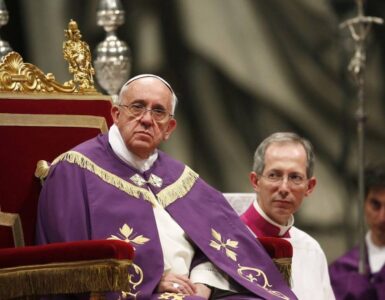
Pope Francis famously said that the Church is a “field hospital,” tending to the wounded in the midst of spiritual warfare. This image is potent, for it offers a corrective to the notion of the Church as a club for the perfect. Instead, it is a haven of healing for those who recognize their need. The Sacraments are medicinal in that they will restore, strengthen, and renew us if we avail ourselves to them.
Discernment, then, focuses not only on what we do wrong, but on the places where we are broken, whether that be emotional wounds, unresolved pain, or lingering doubts. By making ourselves wholly available to Christ’s healing, we allow Him to work in us. Preparation is the posture of the patient who knows the physician’s power and comes with faith and trust.
The Gift of Christ: Receiving and Responding
Is God not worthy of our preparation before Mass? Each Sacrament is a profound encounter with the living God. But are we so caught up in ourselves, in our routines or distractions, that we risk missing this gift? Preparation is countercultural in a world that values convenience and immediate gratification. It urges us to slow down, to make room for God, and to recognize that this encounter is sacred, not ordinary. In doing so, we affirm that the Sacraments are not simply religious events but gateways to transformation.
Joy and Rejuvenation: The Fruits of Preparation
After the celebration of Mass, the Church invites us to be sent: Ite missa est! or to go forth and live as witnesses of what we have received. If, after participating, we do not leave with a sense of joy, purpose, or rejuvenation, something is amiss. Perhaps we have been distracted, or perhaps we have not made the necessary preparation to be open to God’s grace.
St. John Vianney, reminds us
If we really understood the Mass, we would die of joy.
Active participation thus involves more than external observances. It is an interior attitude and readiness to encounter the living Christ, to allow Him to heal, to teach, and to transform. The preparation is both practical and spiritual: reading the readings, meditating on the prayers, examining conscience, quieting ourselves to listen.
As we prepare to receive the Sacraments, let us remember that winning in the spiritual life is not a matter of luck or mere attendance. It is the fruit of grace received through a heart made ready, a mind attentive, and a spirit hungry for God. Like the athlete who trains for excellence, or the surgeon who applies himself to mastery, the Christian is called to invest in the relationship with God, trusting that such effort will yield abundant fruit.
Each of us must challenge ourselves to abandon our “just show up” mentality. Let us reclaim the dignity and transformative power of the Sacraments by preparing well, engaging fully, and responding wholeheartedly. In doing so, we not only receive but also become the living presence of Christ in our world: healed, renewed, and sent forth to bring His love and mercy to all.

 Fr Joseph Esper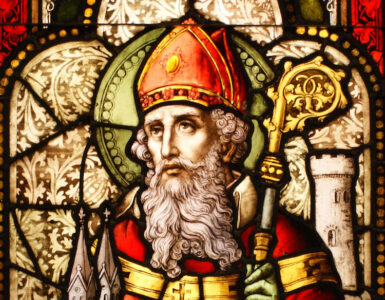

 Fr Mario Attard OFM Cap