
 William Borst
While my title might seem a bit off the beaten path of essays on this site, it has been brewing in my mind like a fine cup of coffee for several months. Consequently, I decided this is the time to serve it nice and hot. I do not know how many years I have been thinking about this topic.
I would venture a guess that my thoughts go back to the 1950s when I was a student at Our Lady Queen of Martyrs. It was there that the most important dispensers of religious faith in my life took hold of my budding mind and instilled in a profound sense of reverence, whose spirit is still with me.
I believe the proper word for writing about the Almighty would be Reverence. I chose Respect because it is a more common word which most people can relate to. The Bible Hub describes reverence as an attitude and posture of profound respect, awe, and honor directed at the Creator. It forms the basis for the true believer’s worship, ethics, and daily life.
Consequentially, Holy Scripture consistently teaches us that the Creator’s holiness, majesty, and authority compel humanity to adore and worship God. One need merely thumb through the Psalms and Proverbs to find many citations of this concern. For example, Psalm 95:6 says: Come, let us worship and bow down; let us kneel before the Lord our Maker.
True reverence stems from our recognition of God’s infinite grandeur compared to human limitations, which is according to Psalms 8:3-4. Reverence is also incomplete without our submission to God’s will. According to Ecclesiastes 12:13, our obedience is the outward fruit of our interior honor and devotion. Prayer, Bible study, frequent visits to the Blessed Sacrament and meditations on Scripture are all practical expressions of Reverence for our Lord.
The best time and place for us to demonstrate a deep reverence for God is in the Holy Mass. While I have never been perfect at being reverent in Church, before and after Mass*, I have seldom forgotten that the Church is Jesus’ home, and we are supposed to act in an especially reverential manner. I also believe it was my watching people come back from Communion since those days in elementary school which have set the page for my essay.
We were always taught that we should bow our heads when receiving Jesus in the Communion host. This continued as we all made our returns to our pews where we gave our Thanksgiving to God for all He has bestowed upon us. Pure reverence did not include gaping around or conversing with friends and family.
We were also instructed to genuflect when entering a church at all times, especially when the Pascal Candle was lit. This practice had been so ingrained in me that on at least two occasions, I have bent my knee and genuflected while walking down the darkened aisles of a movie theater. One time I quickly reached for my shoelaces to cover up my embarrassment.
My next concern is a person’s attire. In my early days we often dressed up in our best clothes for Sunday Mass. Since Vatican II, we were offered the opportunity to attend a Saturday vigil Mass. In all honesty, it was a boon to Catholic families, especially ones with children. It provided a flexibility that was never available in my childhood.
Attendant to this flexibility came a dressing down of what we wore to Church. Casual dress seemed to have been extended into a similar attitude toward the reception of Holy Communion. One need only witness the many communicants, who have just received the Body and Blood of Jesus Christ. I think too many of them act less reverently and thankful than people eating a peanut butter and jelly sandwich.
Secondly, it did not take long until families seemed to come straight to Mass from the beaches. I know this is a hyperbole, but it was not unusual to see people in bathing attire, including sandals, short sleeves, and shorts. Many are smiling as if they thought of something funny as they passed their friends sitting in the pews on the way back to their seats. While I have adopted a more leisurely but proper attire, I have never, nor will I ever wear shorts to a Mass.
More than a few times, I have seen many of those who pass my pew after receiving our Lord, dressed in attire, especially young people, more proper for a sleepover than for a morning in Church. It is a shame that the Catholic hierarchy has failed to stress more often the need for churchgoers to dress more respectfully, not only for receiving Holy Communion but also out of respect for their fellow Catholics.
I remember a priest in Naples, Florida, who alluded to this when he quipped that too many young women were exposing their Victoria Secrets when they presented themselves for Communion. I wish that more priests had the humor-laced courage to speak out.
While they are forgiven because they were young, I think it underscores a dangerous statistic that I have never heard from the pulpit but have read in many Catholic books and newspapers and that is only a third of Catholics believe in the doctrine of the Real Presence.
If this is accurate and the majority of Catholics truly believed what they were receiving was just some kind of symbol and not what it is purported to be, I can understand their lack of reverence. But if they believed in the Real Presence, there is no way they could be so cavalier about their behaviors at Mass.
While maybe I can understand lapsed Catholics or those with little understanding of the Faith and its rituals, I am mostly concerned with the adults who are older and intelligent enough to understand What or Who is dissolving on their tongues. To me this behavior betrays a lack of reference for the Divine Host and could cause scandal for all those who do not truly understand the Divinity inherent in the Real Presence of the Communion Host.
I think the decline of reverence can be traced back to the liberal attitudes of many Catholic teachings in the sixties. I do realize that there were several good reasons for Church reforms during the Second Vatican Council that concluded in 1965. For many of us, this was arguably the singular Catholic event of our lives. However, I think many of the Church’s changes led to the situation where reverence was sacrificed on the altar of progress.
When I was a young Catholic, we had to kneel at the communion rail, which in effect separated the altar and its sacramental activity from the faithful in the pews. But this rail helped to demonstrate that what was transpiring at the altar was very special for all of us and was not a fence of isolation but one of reverence for what the priests were doing.
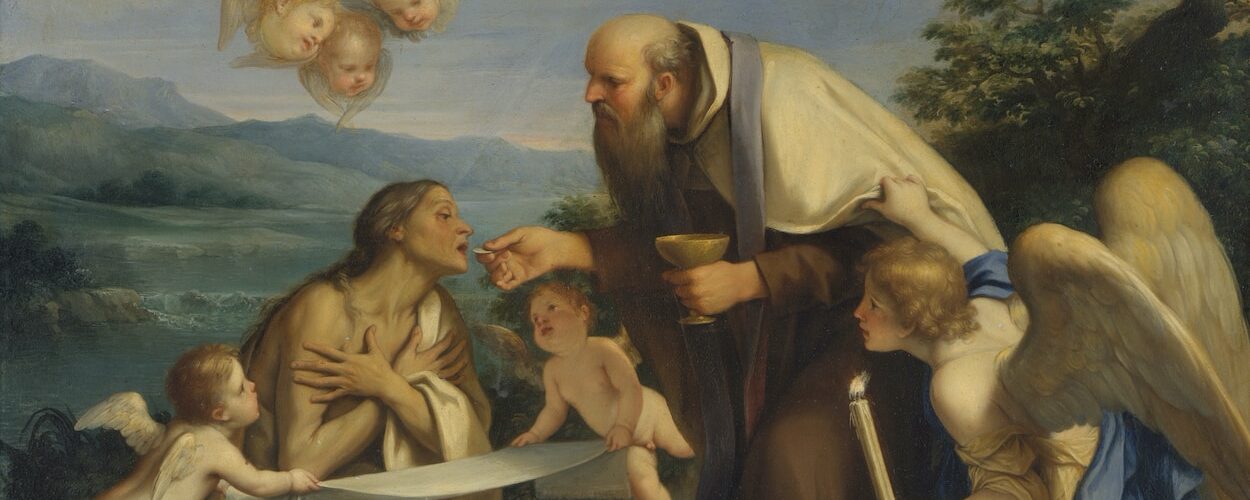
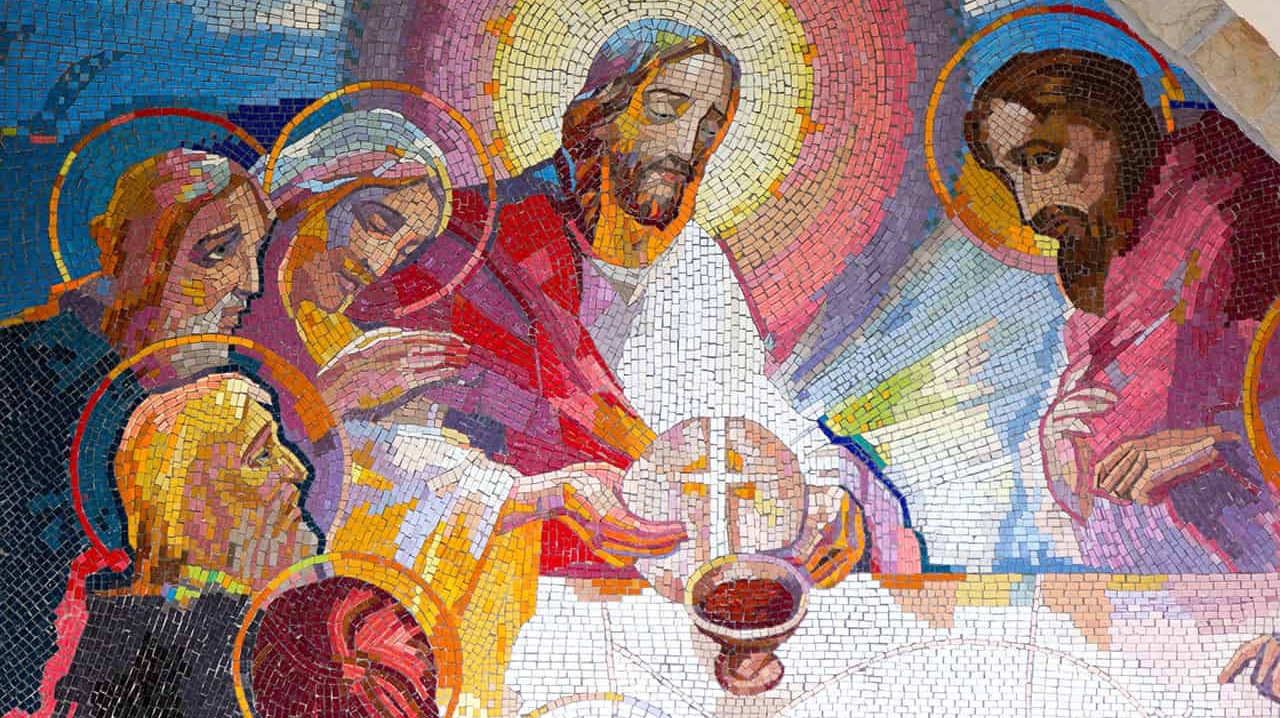
When we received Holy Communion from a kneeling position we were bowing to the Divine Presence. Today, we are standing in line the whole time until the Eucharistic Minister raises the consecrated host and says The Body of Christ and we bow. This does not seem to me to properly underscore the spiritual gravity of what is happening.
On a similar note, I have seen a few Catholics express their reverence by kneeling in front of the Minister and receiving communion on their tongue as in times past. I have mixed feelings about these people who try to demonstrate their reverence and fidelity for the ways of the past Church.
While I understand their devotion to the faith, I think they may be too over-zealous in demonstrating it and may be guilty of false pride for showing off their holiness in public. No matter how much they dislike the changes in worship, they should offer up a humble prayer and do what the Church says. Secondly, their kneeling could cause a health hazard for older Catholics in line near them.
On a similar note, many of the above also choose to receive communion on their tongues. I have no issue with this. I stopped many years ago because our pastor said that he had some druthers about this practice for hygienic and sanitary reasons. From that day on, I have not received the Host in my mouth on any occasion.
While I have readily accepted this new practice of receiving Our Lord in my hands, there is something about a public familiarity with the Divine Host that troubles me. Also, each time I present myself to the Minister, I fear that I will drop It.
My research also led me to a Catholic Journal essay written by Paul Suski, entitled The Eucharist: The Very Foundation of the Church. Written three years ago, the author unequivocally stressed that there was a time in Church history when the sacrament of the Eucharist had been abused and outraged to an alarming extent. He attributes much of this to …the widespread practice of Holy Communion in the hand. He compares the reception of Jesus in Holy Communion to the way we should encounter a loved one….with reverence, care, gentleness, and humility.
Suski also laments the fact …in many dioceses around the world, the clergy denied the faithful the possibility to receive the Lord kneeling and on the tongue. He infers that this practice underscores that his belief that the Bishops have lost their faith in the Real Presence and the divine nature of the Body and Blood of the Eucharistic Christ.
Personally, I think Suski is extreme regarding the consequences of the new rationale in the Church. However, I do think that if we truly believe that God is present in the Living Bread, we should reflect this when we present ourselves to the Eucharistic Minister. We do this best by dressing for the occasion, bowing our heads, kneeling if given the chance and with eyes downward when returning to our pews, instead of smiling at friends and gaping at the people kneeling in their seats.
*Our parish in Georgia is a very friendly one. I would dare say that this parish stresses the public aspects of devotion, sometimes at the expense of the private devotional aspects before Mass. They encourage us to visit with our neighbors before Mass. However, I have also read that this is a quiet time we should all be preparing ourselves by prayer during Mass.

 Fr Joseph Esper
 Vincent Ryan Ruggiero

 Thomas Addis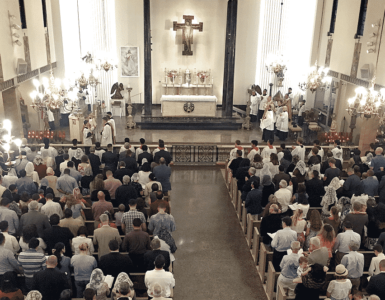
 Donald Wittmer