
 Vincent Ryan Ruggiero
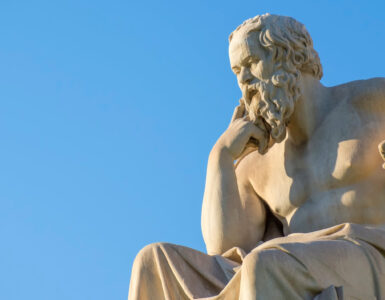
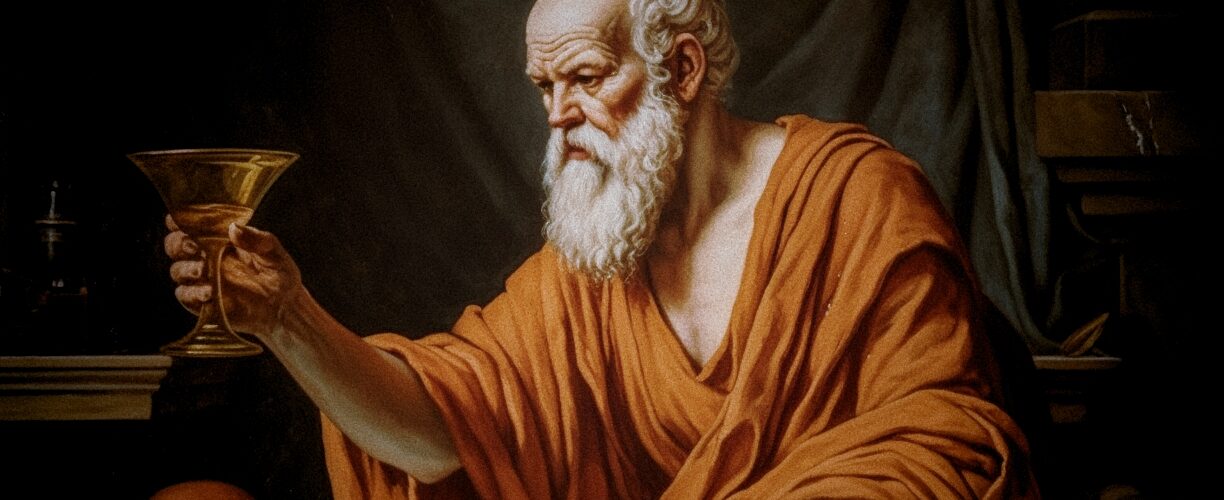
In my recent essay, Ancient Wisdom from Socrates, I discussed a number of insights that the brilliant thinker expressed more than two centuries ago, all of which are as relevant to the present time as they were to his. This essay offers more of his insights, grouped under three headings—Education and Learning, Strategies for Living Well, and Common Mistakes to avoid. Comments about his statements are in italics.
Education
“Education is the kindling of a flame, not the filling of a vessel. . . I cannot teach anybody anything; I can only make them think. . . No one can teach, if by teaching we mean the transmission of knowledge, in any mechanical fashion, from one person to another. The most that can be done is that one person who is more knowledgeable than another can, by asking a series of questions, stimulate the other to think, and so cause him to learn for himself.”
This combination of insights is of special value today. It even raises thoughts about one of the timeliest of modern concerns, Artificial Intelligence. The insight is valuable because the passage of time has blinded many educators to its wisdom. In brief, Socrates was arguing that educators cannot provide education; they can only guide others to gain it for themselves. Sadly, modern education is often focused on telling students what to think rather than teaching themhow to think. In other words, teachers make statements for students to remember for the exam rather than asking questions that challenge them to find answers to issues. The tragic result is that great numbers of men’s and women’s intellectual skills remain poorly developed.
Living Well
“Wisdom begins in wonder. . . True wisdom comes to each of us when we realize how little we understand about life, ourselves, and the world around us. . . . The highest form of Human Excellence is to question oneself and others. . .There are two kinds of disease of the soul, vice and ignorance. . . Anyone who holds a true opinion without understanding is like a blind man on the right road [but unable to profit from the journey}. . . To believe without evidence and demonstration is an act of ignorance and folly. . . Pride divides men, humility joins them.”
This combination of insights reveals the way to achieve excellence: Humility puts aside pride, which enables us to wonder, ask questions, and search for evidence and answers. This process helps us overcome ignorance and achieve understanding. Though the process is simple and has been followed for ages since Socrates’ time, modern American culture has managed to reject much or all of it.
“Why should we pay so much attention to what the majority thinks?. . . I don’t care what people say about me. I do care about my mistakes . . . Be the kind of person that you want people to think you are. . . The greatest way to live with honor in this world is to be what we pretend to be. . . Falling down is not a failure. Failure comes when you stay where you have fallen. . . The years wrinkle our skin, but lack of enthusiasm wrinkles our soul.
These insights turn us from worrying about what others think of us or about what like to think about ourselves, and instread focusing on self-analysis and improvement. It offers an aspect of wisdom that our age lacks.
Common mistakes to avoid
“[Don’t ] “follow the masses. . . Do not go through life like leaf blown from here to there believing whatever you are told.”
By “masses,” he meant those in the majority. The difference of our following them blindly is greater today than in in Socrates’ time because modern communication is much more sophisticated and persuasive. The danger of being “blown from here to there” is therefore greater.
“When the debate is lost, slander becomes the tool of the loser.”
I find this observation to be among Socrates’ most important for our time. It explains with crystal clarity the reason for our culture’s obsession with condemning those we disagree with and refusing to consider the possibility that their views might be sound. Virtually every day’s news provides examples of this obsession, particularly among politicians.
Copyright © 2026 by Vincent Ryan Ruggiero. All rights reserved.



 William Borst
 Fr Dino Vanin
 Thomas Addis