
 Deacon Gregory Webster
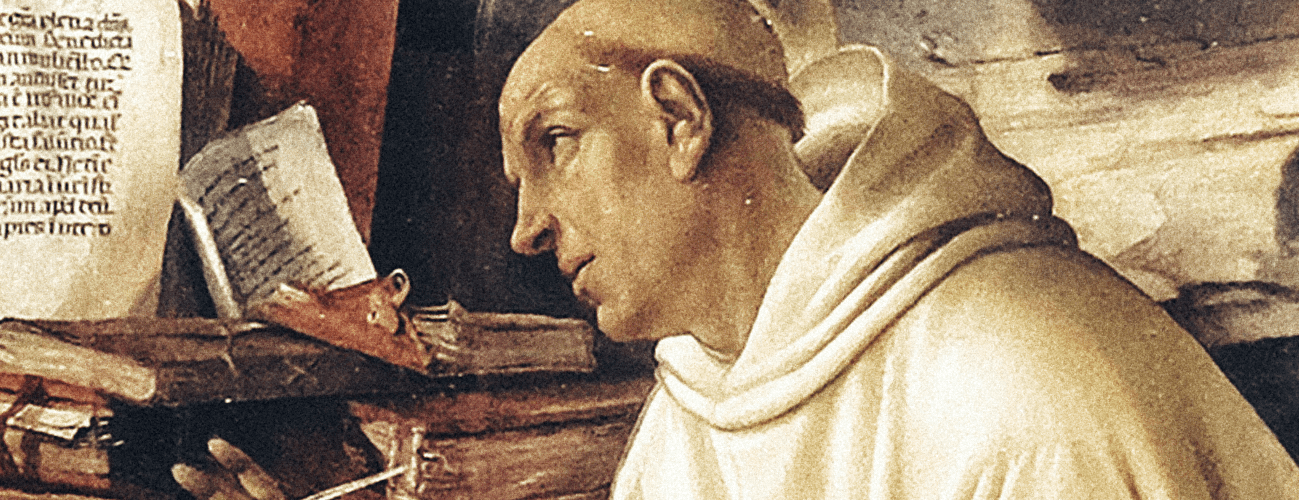
Two saints have been quoted on the subject:
Saint Bernard of Clairvaux
He who constitutes himself his own spiritual director is the disciple of a fool.
Saint Philip Neri
Those who have themselves for a spiritual director have a fool for a spiritual director.
Although the Church encourages all the faithful to pursue holiness and discern God’s will in the complexities of daily life, many Catholics have not experienced the unique support spiritual direction can offer. Spiritual direction is a profound gift available to Catholics, yet it remains an underutilized resource in the modern faith journey. In a world filled with distractions and uncertainties, spiritual direction becomes a much-needed space for intentional reflection, prayer, and growth under the guidance of another trained believer to discuss the inspiration of the Holy Spirit. It is not reserved solely for the spiritually elite or those in crisis but is a powerful tool that can help every Catholic, lay or ordained, integrate faith into the everyday discernment of life’s journeys. Journeys that pertain to relationships, spiritual growth, career decisions, or personal sanctity.
Unfortunately, many to miss the opportunity to intentionally apply the treasures of our faith to decisions, struggles, and invitations from God. Regular, prayerful conversation with a spiritual director can make the difference between wandering aimlessly in spiritual matters or moving forward in peace, purpose, and clarity.
Preparing for Spiritual Direction
Preparing for a Catholic spiritual direction meeting is a deeply personal and collaborative process rooted in the faith tradition. The essence of the meeting is guided by the directee (the individual seeking spiritual growth) while the spiritual director acts as a gentle companion within the workings of the Holy Spirit. This relationship is not hierarchical or didactic; rather, it is characterized by listening, discernment, affirmation, and mutual prayer.
Effective preparation starts with prayer. Invoking the Holy Spirit opens one’s heart to divine guidance and invites grace into the encounter. This spiritual preparation is fundamental, as it seeks God’s presence and wisdom to illuminate both the conversation and one’s own inner landscape.
Reflection is the next essential step. The directee should thoughtfully review recent experiences in prayer, sacraments, and daily life, noting moments of spiritual growth or struggle. It is helpful to pinpoint where one has sensed God’s presence, as well as times of doubt or difficulty. Writing down questions, obstacles in prayer, decisions needing discernment, and aspirations for deeper holiness can focus the discussion and ensure that personal challenges and hopes are brought to the meeting.
If previous meetings have taken place, the directee should consider any spiritual advice or practices recommended, reflecting on progress or ongoing challenges in those areas. This continuity helps both participants discern patterns of God’s action and areas requiring further attention.
Honesty and openness are vital. The depth and effectiveness of spiritual direction depend on our willingness to share joys, struggles, and vulnerabilities. Such transparency allows the spiritual director to respond more insightfully and compassionately, always seeking to highlight how the Holy Spirit may be moving in the directee’s life.
It is important to remember that the directee, under the inspiration of the Holy Spirit, who sets the tone and direction of the meeting. It is not for the spiritual director to do so. The spiritual director is not a lecturer or a therapist but a prayerful listener and guide, helping the directee attune to God’s voice and presence. The spiritual director may sometimes offer spiritual practices, insights, or encouragements, but ultimately, the journey is led by the directee’s reflections, questions and desire for growth.
The effectiveness of the spiritual direction session is proportional to the effort invested in preparation. When the directee arrives with prayerful intention, honest reflection, and clear spiritual goals, the encounter is more likely to be fruitful and transformative. Spiritual direction thus becomes a collaborative process, animated by grace, where authentic engagement enables genuine spiritual growth and a deepening relationship with God.
Focus
Saint Bernard of Clairvaux and Saint Philip Neri reminded us that genuine spiritual growth is best fostered in humble collaboration, not self-reliance. Entering a spiritual direction session is an act of trust. Trust in God, in the Church’s wisdom, and in the mutual journey of discovery with another believer.
Discerning our focus for a spiritual direction meeting is a prayerful task. Before the session, spend a few moments asking the Holy Spirit to bring to light what needs attention most.
Consider:
- What do I feel drawn to talk about today?
- Is there a particular struggle, question, or joy pressing on my heart?
- Are there moments from recent prayer, worship, or daily life that I cannot shake—whether consoling, challenging, or confusing?
- Where do I notice the Holy Spirit at work—or seemingly absent—in my life?
- Have I felt nudges toward a deeper faith, or occasions of spiritual dryness?
- Are there events or choices where I have sensed God calling, or felt blocked or uncertain?
- How do I bring this discernment into prayer?
- Can I name these areas honestly before God, and invite Christ’s light upon them?
- Am I open to listening for God’s voice in my questions and hopes, rather than just seeking solutions?
- What are my deepest desires or fears as I enter this meeting?
- Ask yourself: “What grace do I long for? What do I most hope God will show me or give me?”
- Consider the possibility of unexpected movements—sometimes God surprises us with what needs attention most.
Suggested Questions to Guide Focus:
- Is there a place in my life where faith and daily decisions feel disconnected?
- Do I need help discerning a specific vocation, relationship issue, or spiritual practice?
- Is there an area where I am struggling to forgive, accept, or let go?
- What am I grateful for since my last session, and where have I noticed God’s loving presence?
Take your focus to prayer before your meeting. Dedicate time to quietly pray about what is on your heart. Offer it honestly to God: ask for wisdom, clarity, and openness, trusting that both your own reflections and your spiritual director’s listening are under the guidance of the Holy Spirit.
Remember, the spiritual direction session is an opportunity for you to articulate your journey, not a test or a performance but a space for authentic conversation. The clearer you are about your hopes, struggles, or areas of discernment, the more fruitful the session will be. Your spiritual director supports you, but it is your prayerful preparation and willingness to engage that sets the tone and direction for grace to work.
Approaching this focus with humility, openness, and prayerful attention is in itself an act of spiritual maturity. It is your responding to the wisdom of the Church and the saints while opening the door wide for the Holy Spirit to work in your life.
Spiritual Direction Preparation Checklist
Preparing for a spiritual direction meeting elevates its effectiveness and is indeed an act of faith in itself. To help directees receive the greatest spiritual benefit, consider using (and bringing) this checklist:
- Prayer
Have I spent time asking the Holy Spirit to illuminate my heart for this meeting?
- Spiritual Review
What has my prayer life been like? Where have I felt close to or distant from God recently?
- Sacraments & Church
Have I experienced the sacraments (especially Eucharist and Reconciliation) since my last meeting? Has anything in Mass, Scripture, or Church teaching stood out to me?
- Challenges
What obstacles, temptations, or persistent struggles am I facing in my spiritual life?
- Consolations
When have I recently experienced joy, peace, or encouragement in faith?
- Questions/Discernment
What decisions, confusions, or areas of discernment are on my heart?
- Actions
Have I followed through on recommendations or spiritual practices suggested in past direction? What happened as a result?
- Graces & Thanksgiving
Where have I noticed God’s grace? For what am I grateful since the last session?
- Intentions
What do I hope to receive most from this meeting? (Insight, encouragement, accountability, clarity, etc.)
- Notes
Do I have written notes or a journal to help me remember and articulate my experiences and questions? Why not?
This checklist is great fodder for journaling. Journaling is simply writing down our thoughts to God. Getting thoughts out of our head and onto paper (or a screen) often brings clarity and insight to our perspective. It captures where we are at the moment. Not in judgement, but in honesty. Often, being honest with ourselves is “half the battle.”
Bringing this checklist, even just mentally, can foster a richer and more fruitful experience, ensuring that the meeting remains centered on your personal relationship with God. Remember: the driver of spiritual direction is always the directee, who is invited to be an active participant under the guidance of the Holy Spirit. The process is most transformative when effort is invested in preparation, reflection, and honest sharing. The spiritual director supports and guides but does not direct or lecture; the Holy Spirit is the true teacher in this sacred conversation.
A common mistake is to treat faith as something passively received. Faith, in fact, requires action: a willingness to intentionally reflect, prepare, and respond. Without this, our spiritual efforts risk becoming empty gestures. When we approach spiritual direction with openness and readiness, it becomes not only a remedy for spiritual aimlessness, but a source of renewed faith and lucid discernment for all of life’s journeys.
Come prepared!

 Msgr John Kasza
 Fr Dino Vanin
 Sr Angelita Fenker
 Fr Joseph Esper