
 James S. Anderson
Jesus and the Gospels present the ultimate model for the spiritual life —The Paschal Mystery. This includes Jesus’ Passion, Crucifixion, Resurrection and Ascension. St. Ignatius of Loyola insightfully articulated how the spiritual life consists of repeated movements between consolation and desolation. True indeed. Additionally, the Paschal Mystery can be seen as a model for how life works.
We constantly move between good times and bad; thus, we frequently struggle and hurt, as Jesus did in His Passion. During it, Jesus did not become bitter but, rather, forgave those who were persecuting him and ultimately killed him. We, too, are called to forgive in such a radical way. Jesus asked to be spared if possible so that he would not have to drink the cup placed before him (Mt 26:39), but he ultimately submitted to his Father’s will, as we too should do. He demonstrated acceptance, a vital component for wellbeing. During our trials (and our mini passions), we can offer the suffering up and join it to Christ’s work on the cross so that it can become redemptive. (see Salvifici Doloris)
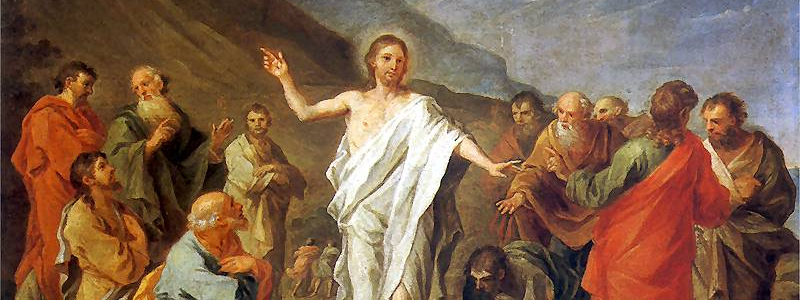
Jesus offered himself freely to the Father in His Crucifixion. We will one day also die, but for our purposes here we should recall that Jesus rose from the dead and was transformed. Often certain aspects of our lives are called to die in order that new life might come about. In His Resurrection, Christ overcame as will we with mini-resurrections from the mini-deaths we will experience in this life — death of loved ones, jobs, dreams, marriages, health etc. We too will be able to rise from our personal losses and trails. Albeit, big trials will sometimes overtake us, but in time we need to allow our resurrections to transform us, although it may be a hard process. Going forward the trials will then inform us, sanctify us and allow for a better, holier life. Not allowing them to grow us and transform us is truly tragic.
Concluding the Paschal Mystery, Christ joined his Father in his Ascension. Let us keep in mind that in this life, we too can ascend as we grow and learn from our trials and tribulations and lose our inordinate attachments to the things of this world that hold us back and really do not matter in the grand scheme of things. We thus will be freed up to focus on what does. To the extent we do this, we learn the virtue of the spiritual masters, detachment. We can truly live a more peaceful life unencumbered by the frivolous if we allow ourselves to embrace the Paschal mysteries of our life. In accepting and not resisting our trials, we will undoubtedly yield to many mini ascensions in this life that will ultimately serve to bless us and others. Additionally, we can cut down on our time of purgation in the next life by undergoing our trials virtuously and for God (i.e. redemptive suffering) in this one.
At the end of our lives after we have experienced our own Paschal mysteries, with God’s grace we too will ascend to the Father of us all. Thus, let us look to the Paschal Mystery as a paramount model on now to endure and conceptualize our trials here in this life, for there will be trials. As Christ commanded us, let us take up our cross and follow him. (Mt 16:24)

 Fr Mario Attard OFM Cap
 Fr Joseph Esper
 William Borst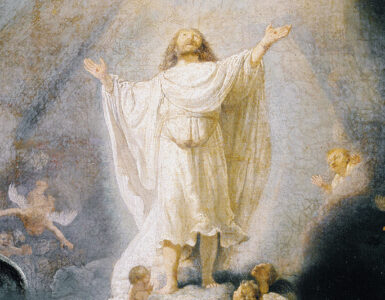
 Fr Dino Vanin