
 Deacon Gregory Webster
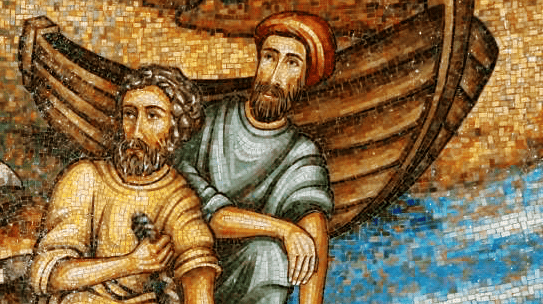
The landscape of Catholic education in America has undergone dramatic changes in the last several decades. Once, the parish school was the heart of Catholic formation, sheltering a robust subculture that naturally fostered vocations to the priesthood and religious life. Today, the reality is starkly different. Consider the region served by Carmel Catholic High School: while the school itself serves 1,150 students, just five neighboring public high schools (Mundelein, Libertyville, Warren Township, Vernon Hills, and Lakes Community) enroll an impressive 10,475 students. According to recent demographic data, approximately 27% of Illinoisans identify as Catholic. That means, in the public high schools surrounding Carmel Catholic, an estimated 2,828 Catholic students are likely present. Yet, these students are overwhelmingly overlooked in vocation outreach. The Church, in essence, is fishing for vocations in steadily shrinking ponds while ignoring the well-stocked lakes just next door.
The Challenge: Systemic Gaps and Unused Opportunities
Why does this disconnect persist? The Church’s direct influence is limited in public schools due to legal and cultural separation of church and state. For the most part, formal religious education and vocation promotion remains contained within the narrower and shrinking world of Catholic schools. This constraint, though understandable, has led to unintended downsides. Contemporary efforts at fostering vocations often amount to repetitive outreach to the same students, while vast numbers of Catholic youth in public schools are all but forgotten.
This is not merely an issue of numbers; it is a question of vocation, mission, and evangelization. The need for vocations, not only to the diocesan priesthood and religious life but to the full spectrum of committed Catholic lay people who serve in the world is as urgent as it has ever been. Yet our method remains focused on a declining minority. Is this an argument for giving up? Absolutely not. If anything, the vibrancy and scale of the public school population call for fresh thinking and creative action.
Success Stories and Possible Approaches
Some dioceses and states are already experimenting with alternatives. For instance, both Iowa and Texas have seen promising results by engaging Catholic students in public universities through Newman Centers. These hubs provide spiritual support, catechesis, community, and opportunities for vocational discernment. If such ministries can thrive on secular college campuses and often with far less oversight or support than even public high schools, why not within the teenage years as well?
Parish-based programs for high school youth, while well-intentioned, have struggled to keep up with the needs of this generation. The classic models of social nights, faith-formation classes, even large conventions have yielded diminishing returns. In many places, a high school youth ministry is little more than pizza nights with a short Scripture sharing tacked on. This approach rarely inspires the depth of faith or personal connection that are prerequisites for vocational discernment.
So, what might work better? Today’s Catholic young people are drawn to authentic discipleship and service. They crave opportunities to put faith into action, to participate meaningfully in works of mercy, justice, and service, often alongside their peers. It is in these environments rather than in lecture halls or social mixers that spiritual questions and vocational stirrings naturally arise.
A Vision: Service, Community, and Intentional Accompaniment
Imagine parish vicariates forming strategic partnerships with schools, families, and community organizations to create safe, attractive service opportunities for high school students. Programs could include:
- Service trips with organizations such as Feed My Starving Children or Glenmary Missioners.
- Regular volunteer opportunities with Catholic Charities.
- Student-led food and clothing drives in public schools.
- Community childcare, babysitting, and tutoring programs — especially for underprivileged or immigrant families.
- Opportunities for Eucharistic Adoration and sacramental participation crafted for teens, extended beyond parish walls and coordinated regionally for maximum impact.
These efforts would no longer be about drawing kids into the parish for yet another faith-sharing night. Instead, they would actively meet students where they are: in the public square, in the midst of their diverse communities, addressing real human needs. As students deepen their sense of mission through service, conversations about vocations become a natural part of the journey, modeled by priests, religious, and committed lay leaders who make themselves visible and accessible.
The Role of Catechesis: Lighting the Fire Early
It is not enough merely to provide service opportunities. True vocational discernment arises only from an interior relationship with Christ, cultivated by solid catechesis and spiritual accompaniment. Yet, as many parishes know, catechesis after elementary school becomes increasingly difficult; if students have not developed a love for Christ and an excitement for their faith by the fourth grade, the upper-grade years risk devolving into a rote exercise, quickly abandoned as soon as parents stop insisting on attendance.
Thus, our approach to vocational development must begin long before high school. Junior high, in particular, is a critical period for intentional discipleship, mentorship, and creative engagement; not more craft projects, but more intentional apostolic formation. By junior high, students should be exposed to the vitality of a life lived for God, shown through the example of both peers and mentors: lay, religious, and clergy alike.
Focusing on Mission, Not Maintenance
Too many parish programs have settled for maintenance rather than mission. The temptation is strong to measure success by the number of students who show up or the frequency of events offered. But Jesus did not measure his ministry by attendance at the synagogue; he sent his disciples out to heal, teach, and serve. He called them to go, not just to wait for people to come.
If we believe that the call to priesthood and religious life is, at root, a call to self-gift, service, and discipleship, then our primary task is to help all young Catholics discover the thrill of living for others; especially those outside the Catholic school bubble. That thrill is contagious. When Catholic adults model lives of joyful service and prayer, and when young people see their peers respond to the same challenge, a culture of vocation can begin to take root.
Structures for Collaboration: Vicariate-Based Programs
Isolated parishes often lack resources or critical mass to mount ambitious programs on their own. This is why vicariate-based or regional approaches are essential. By collaborating across parish borders, and even ecumenically where possible, Catholic leaders can pool volunteers, share best practices, coordinate schedules, and ensure that Catholic students in public schools never have to walk alone.
For example, a monthly day of service that rotates among parishes, or a periodic retreat open to all Catholic teens regardless of school, can build relationships and foster a sense of being part of a wider Church. Vocations panels, prayer nights, and testimonies by young men and women in religious formation demystify the process and invite questions. Such collaboration not only increases efficiency but fosters the unity and diversity that best reflects the Catholic faith. Local FOCUS ® ministers can be of great help in this regard.
Overcoming Challenges: Navigating the Limits
Admittedly, legal parameters will always limit the ways in which the Church, as an institution, can formally operate within public schools. But students themselves, along with supportive parents and community organizations, are free to create and participate in faith-based clubs, service projects, and informal gatherings both on-and-off campus. Creative partnerships can provide an entry point for youth-driven outreach that is entirely compatible with public school norms. Why not engage Catholic Charities, food pantries, tutoring initiatives, and local nonprofits?
Importantly, the Church must train and empower lay leaders, including parents, coaches, and teachers (where appropriate), to act as mentors. Programs such as the Knights of Columbus’ Squires, Catholic Scouting, or the National Federation for Catholic Youth Ministry have much to contribute. Recent success in the Newman Connection program bridges this gap by connecting high school graduates to campus ministries. Some Catholic high schools have youth groups like BLIND that are inclusive of students from public schools. These clubs can be adapted for public school students through partnerships with local churches or youth ministries and offer promising blueprints. The key is intentional engagement, not passive waiting.
A Pointed Question: Why Do We Wait?
Time is of the essence. Every year, more Catholic youth pass through the halls of public high schools without ever being seriously encouraged to consider a vocation, or even to ask deep spiritual questions. The Church cannot afford to wait. Jesus himself was clear: go, and make disciples: do not wait for them to come find you. That call is as urgent now as it was two thousand years ago.
Some fear that overtures to public school students may yield little fruit, or provoke controversy. But to do nothing out of fear of failure or legal challenge is to cede the mission without a fight. History shows that when the Church is bold, loving, and willing to engage the messiness of the world, miracles happen.
Let Us Make Him Part of the Game Again
The need for vocations in the Catholic Church is not a niche concern; it is central to the ongoing life and mission of the Church. In a rapidly changing landscape, innovative outreach to public school students, the majority of Catholic youth, is not only a good idea but a necessity. This work demands new alliances, inventive strategies, and a willingness to cast the net where the fish are abundant, not merely where it is safe or familiar.
Before a young person can discern a vocation, their heart must be set on fire for Christ. That passion rarely ignites at Sunday Mass alone, especially in a society where secular influences are ever-present and strong. It is through relational ministry, meaningful service, effective catechesis, and bold outreach that the seeds of vocation can be deeply planted.
It is time for Catholic leaders to think big, act boldly, and remember that Jesus not only calls workers for the harvest, He shows us where to look. If we heed his call and go out to meet young people where they are, especially in the public schools so often overlooked, we may find that the ponds we thought were empty are overflowing with life, waiting only for someone willing to cast a net.
Let us make him part of the game again. The future of the Church and the flourishing of countless young people depends on it.

 Br Matthew Marie, OSB
 Fr Joseph Esper
 Thomas Addis
 Donald Wittmer